July 23, 2026
Choosing between traditional braces and clear aligners is one of the most common questions that families throughout the Chattanooga area face when starting an orthodontic journey, and the answer is rarely as simple as picking whichever option sounds more appealing in the moment. Both treatment approaches have genuine advantages and genuine limitations, and the right choice depends on the specific clinical situation, the patient's lifestyle, and the goals the patient and their family bring to the consultation. Summer and the back-to-school season are among the most popular times to begin orthodontic treatment, as the timing allows for an adjustment period before academic and extracurricular schedules reach their peak intensity. Understanding how these two approaches compare across the most important decision factors gives every patient and parent the knowledge needed to make a confident and well-informed choice.
Understanding What the Treatment Timeline Actually Looks Like
According to the Cleveland Clinic, on average, braces treatment takes about two years to complete, which gives families a practical baseline for planning the timeline of the orthodontic journey regardless of which treatment type they ultimately choose. Teeth alignment goals that involve complex bite correction, significant crowding, or specific jaw relationship issues often respond most predictably to traditional braces, which allow the orthodontist to apply precise, continuous force in directions that removable aligners cannot always replicate with the same level of clinical control. Understanding the expected treatment timeline before beginning any orthodontic treatment helps patients and families plan for the milestones, adjustments, and lifestyle considerations that will be part of the process from the first appointment through the completion of active treatment.
Considering Metal Braces for Clinical Versatility and Effectiveness
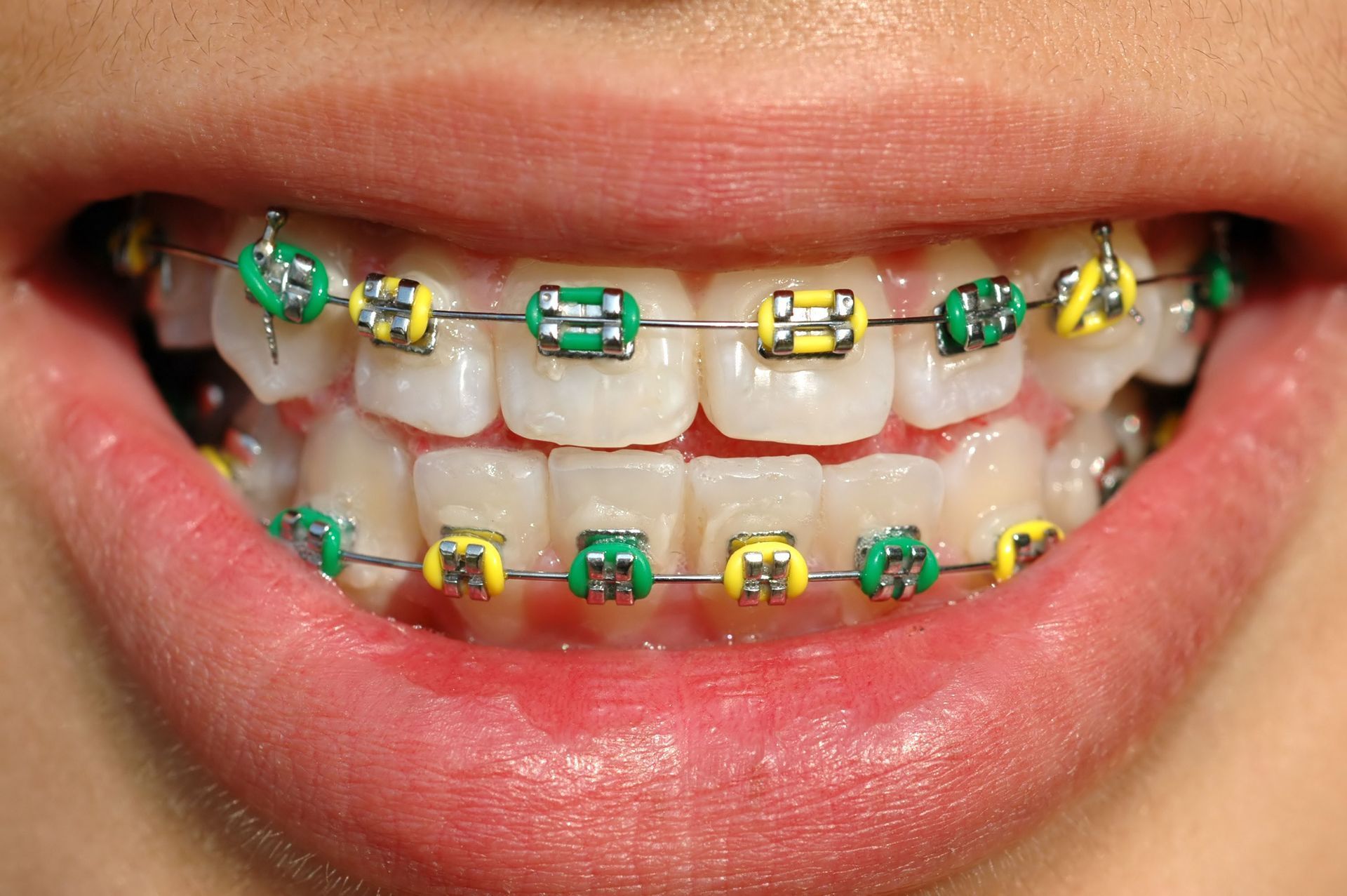
Metal braces are the most time-tested and most clinically versatile option in orthodontics, using metal brackets bonded to the tooth surfaces and connected by a wire that guides teeth into the correct position through a series of carefully planned adjustments. Teeth alignment through metal braces is particularly well suited to patients with complex cases that require precise control over tooth movement in multiple directions simultaneously, including cases involving significant bite discrepancies, severe crowding, or skeletal issues that benefit from the sustained, continuous force that traditional braces deliver throughout the active treatment period. The durability and clinical effectiveness of metal braces make them the benchmark against which all other orthodontic approaches are measured, and for many patients they represent the most efficient and most predictable path to the comprehensive correction their clinical situation requires.
Exploring Ceramic Braces for a Less Visible Alternative
Ceramic braces offer the same clinical effectiveness as metal braces with the aesthetic advantage of tooth-colored or clear brackets that blend more naturally with the tooth surface and are significantly less visible than traditional metal hardware during the course of treatment. Teeth alignment through ceramic braces is particularly appealing to adult patients and to teens who are self-conscious about the appearance of traditional metal brackets but who require the level of clinical control and treatment versatility that a bonded bracket system provides and that clear aligners may not fully match for their specific case. The primary consideration with ceramic braces is that the brackets require somewhat more careful maintenance than metal brackets because they can absorb stains from foods and beverages if oral hygiene practices are not consistently thorough throughout the treatment period.
Evaluating Clear and Self-Ligating Braces for Specific Patient Goals
Clear braces and self-ligating braces represent additional variations within the bonded bracket family that address specific patient preferences and clinical goals in ways that the standard metal bracket system does not always accommodate as efficiently or as comfortably. Teeth alignment through self-ligating braces uses a built-in clip mechanism rather than elastic ties to hold the wire in the bracket, which many patients find produces a more comfortable experience and requires fewer adjustments throughout the active treatment period compared to conventional bracket systems. Clear braces that use clear or tooth-colored materials throughout the entire bracket and wire assembly provide an even more discreet appearance than ceramic brackets alone, making them an attractive option for patients who prioritize aesthetics throughout every phase of their treatment.
Understanding How Invisalign Aligners Work and Who They Suit Best
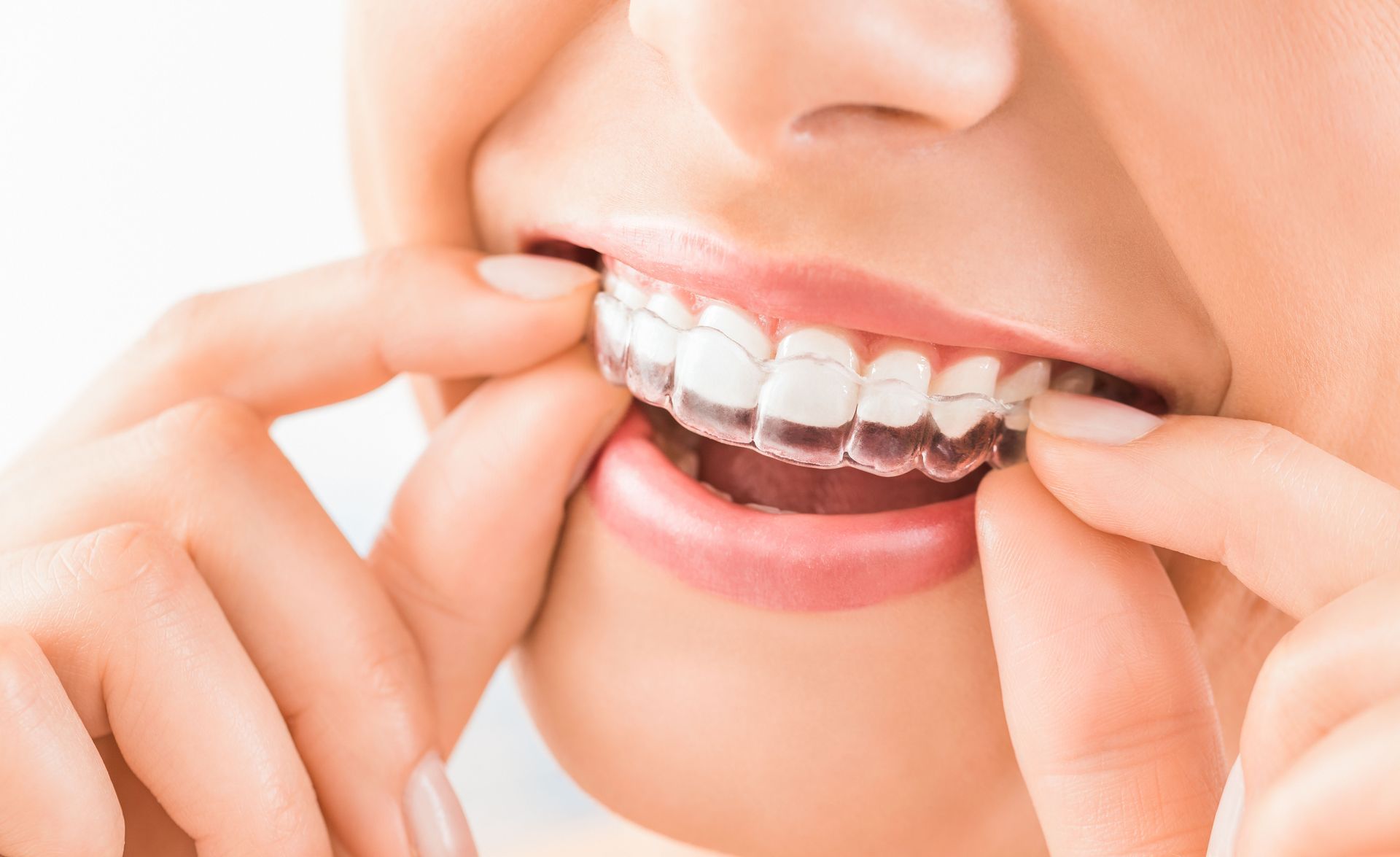
Invisalign clear aligners represent the most well-known alternative to fixed bracket systems, using a series of custom-fabricated removable trays that progressively shift the teeth toward the target position over the course of the treatment period under the direction of the treating orthodontist. Teeth alignment through Invisalign is particularly well suited to patients with mild to moderate crowding, spacing, or bite issues who are highly motivated to wear the aligners consistently for the recommended twenty to twenty-two hours per day throughout every stage of treatment, since compliance is the most important factor in determining whether aligner therapy produces the results projected at the start of treatment. The removability of Invisalign aligners makes them especially appealing to adult patients, to athletes or musicians who need to remove their orthodontic appliance for specific activities, and to anyone who prefers eating without dietary restrictions and brushing without navigating around fixed brackets and wires.
Recognizing When Early Intervention Makes the Most Difference
Early intervention orthodontics is a consideration that applies specifically to children whose developing jaw and bite patterns may benefit from treatment that begins before all permanent teeth have erupted, and addressing these developmental issues at the right stage can reduce the complexity and duration of any comprehensive treatment that follows during the adolescent years. Teeth alignment guidance through early intervention focuses on creating the ideal skeletal and dental environment for permanent teeth to emerge into, which may involve appliances that address jaw width, bite depth, or other structural concerns that are more responsive to treatment during the growth years than after growth is complete. An ortho screening office visit during the elementary school years allows the orthodontist to identify any developing issues that would benefit from early attention and to advise families on the optimal timing for initiating any needed intervention before the window for the most effective treatment has passed.
Addressing Bite Correction as a Central Component of Any Case
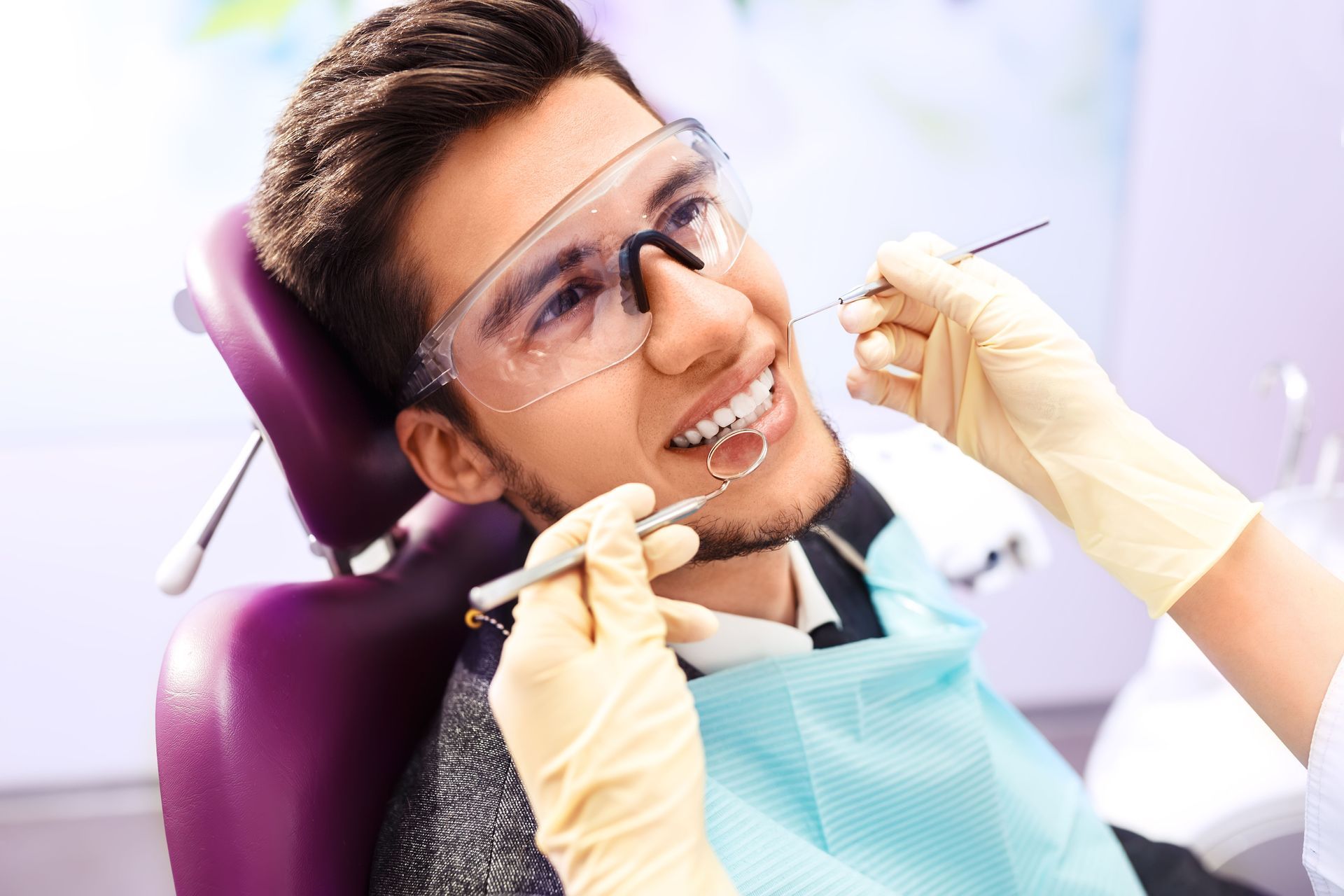
Bite adjustment through orthodontic treatment is one of the most clinically significant aspects of any comprehensive case, and patients whose primary concern is a functional bite issue — including overbite, underbite, crossbite, or open bite — need to ensure that the treatment approach they choose has the clinical capability to address the bite component alongside the cosmetic alignment goal. Teeth alignment focused solely on the appearance of the front teeth without addressing an underlying bite relationship issue may produce a visually satisfying result that is not functionally stable or healthy for the long-term oral health of the patient after the retention phase of treatment has been completed. A comprehensive orthodontic consultation that includes dental X-rays gives the orthodontist the complete diagnostic picture needed to identify both the aesthetic and the functional components of the patient's case before recommending the treatment approach that will produce the most complete and most lasting result.
The best orthodontic treatment is the one that addresses the full scope of each patient's clinical needs while fitting naturally into their lifestyle and long-term oral health goals, and the only way to identify that treatment with confidence is through a thorough, honest evaluation with an experienced orthodontic team. Coleman Orthodontics has proudly served patients throughout Chattanooga, TN, Collegedale, TN, and Ringgold, GA since 1997, offering metal braces, ceramic braces, clear braces, self-ligating braces, adult braces, Invisalign clear aligners, bite adjustment, early intervention, orthodontic consultations, and dental X-rays, all backed by no referral required, same-day and emergency appointments, three convenient locations, insurance accepted with all paperwork handled, flexible payment plans, the Best of the Best Award, and membership in the American Association of Orthodontists and the American Dental Association. For more information, contact us today!