November 3, 2026
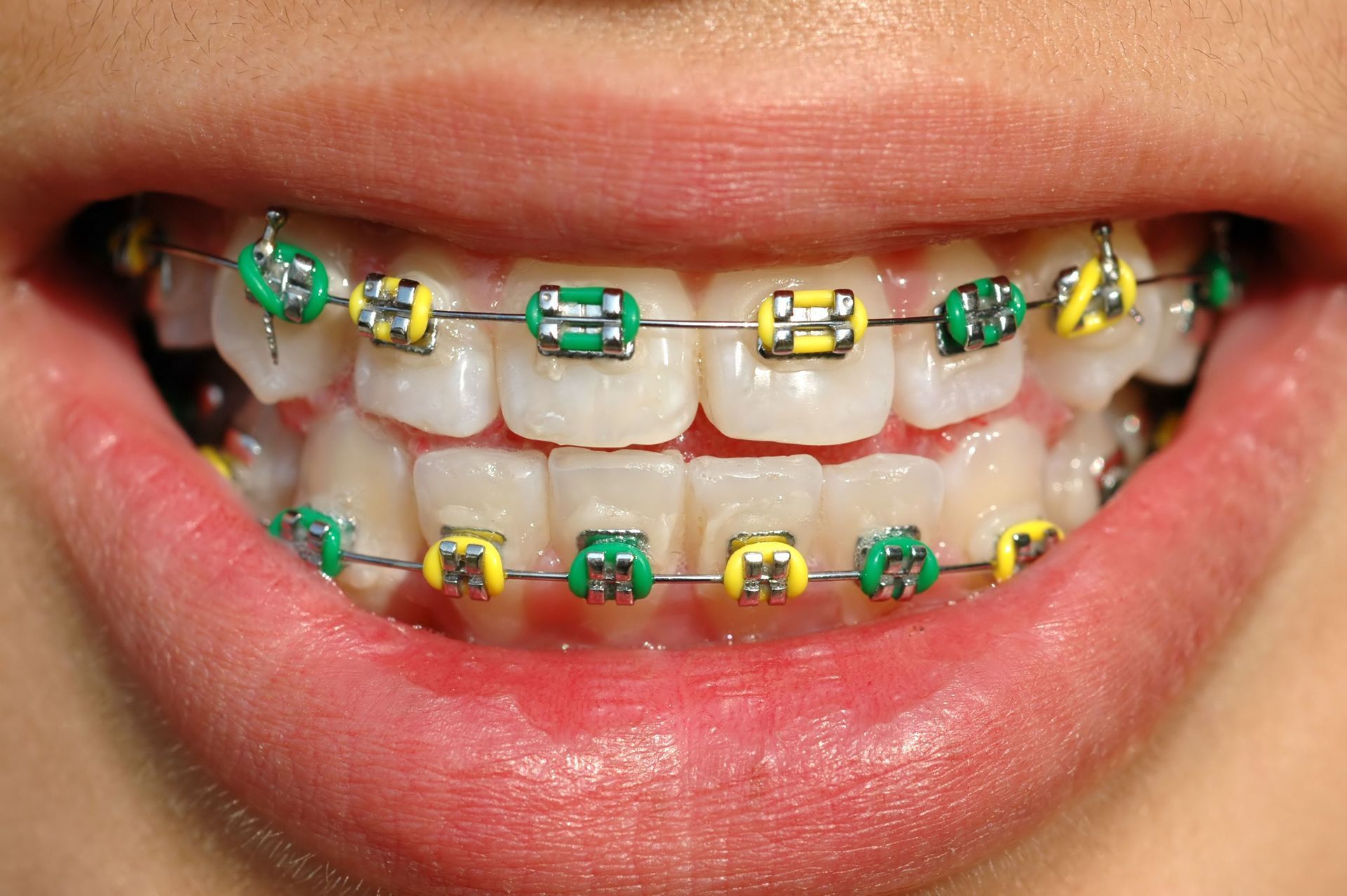
Several signs can indicate that a child may benefit from an orthodontic evaluation. Crooked or crowded teeth, bite concerns, difficulty chewing, and irregularities in the development of the teeth can all be reasons for parents to schedule an orthodontist appointment. Early evaluation can help identify developing alignment concerns and determine whether orthodontic treatment may be appropriate.
Orthodontic care for children can include early intervention as well as braces and other treatment options. Understanding the signs of developing alignment or bite concerns can help parents know when it may be appropriate to schedule an orthodontist appointment. According to WiFii Talents, nearly 25% of children in the U.S. will get braces by age 14.
1. Common Alignment Concerns
Look For Crooked or Crowded Teeth
Crooked, crowded, or misaligned teeth can be signs that a child may benefit from an orthodontic evaluation. Gaps between teeth can also indicate alignment concerns and may become more noticeable as permanent teeth begin to emerge. Parents who notice these changes can schedule an orthodontist appointment to discuss their child's developing smile.
Early evaluation can help determine whether a child would benefit from orthodontic treatment. Depending on the child's development and specific needs, treatment may include early intervention or braces at an appropriate stage of development. An orthodontic evaluation can provide a closer look at the child's current alignment and development.
Check For Bite Problems
Bite concerns are another reason a child may benefit from an orthodontic evaluation. An uneven bite can occur when the upper and lower teeth do not align properly. This may happen when the upper teeth extend too far over the lower teeth, when the lower teeth extend beyond the upper teeth, or when certain teeth do not meet when the mouth is closed.
Parents who notice an unusual bite or other alignment concern can schedule an orthodontist appointment. An orthodontist can assess the child's teeth and bite and determine whether early intervention, braces, or another orthodontic treatment may be appropriate. This evaluation can help clarify the child's individual orthodontic needs.
Bite concerns can look different from one child to another. Some may become noticeable when a child closes their mouth, while others may become more apparent during everyday activities involving the teeth. Parents do not need to identify a specific type of bite problem before seeking an evaluation, because noticing that the bite appears unusual can be enough reason to ask an orthodontist for an assessment.
2. Early Development Signs
Watch For Early Tooth Loss
The timing of baby-tooth loss can be an important consideration when evaluating a child's developing teeth. Losing baby teeth early can affect the available space for permanent teeth, while retaining baby teeth longer than expected can also affect how permanent teeth develop. These changes may contribute to crowding or other alignment concerns.
Early orthodontic evaluation can help determine whether intervention is appropriate. Depending on the child's needs, treatment may include space maintenance to help preserve room for developing permanent teeth. Parents who have questions about these changes can schedule an orthodontist appointment to discuss the child's dental development.
Parents may naturally have questions when baby teeth are lost earlier or later than expected. Keeping track of these changes can make it easier to describe what has happened when discussing a child's dental development with an orthodontist. The timing of tooth loss can be considered along with the position and development of the surrounding teeth.
Notice Developing Alignment Changes
Changes in the way a child's teeth are developing can also be a reason to schedule an orthodontic evaluation. Parents may notice increasing crowding, gaps, teeth emerging in unusual positions, or other changes as permanent teeth come in. These observations can help identify children who may benefit from early orthodontic assessment.
An orthodontist can evaluate the child's developing teeth, bite, and jaw alignment and determine whether early intervention is appropriate. When treatment is recommended, options may include space maintenance, orthodontic appliances, or braces depending on the child's individual needs and stage of dental development. Parents can discuss these options during an orthodontic evaluation.
Dental development takes place over time, which means parents may notice several changes before a child's permanent teeth have fully emerged. A tooth that appears out of position or a new area of crowding may be worth mentioning during an orthodontic visit. Keeping track of these changes can help provide a clearer picture of how the child's smile is developing.
3. Functional Signs
Notice Difficulty Chewing or Biting
Difficulty chewing or biting can be another reason to schedule an orthodontist appointment. Parents may notice that a child has difficulty biting into food, struggles with certain chewing movements, or appears to have an unusual bite. These observations can be worth discussing with an orthodontist, particularly when they occur alongside visible tooth or bite alignment concerns.
An orthodontic evaluation can help identify whether the child's teeth or bite are developing unexpectedly. If treatment is appropriate, the orthodontist can recommend an option based on the child's individual needs and stage of dental development. Parents can discuss these concerns during an orthodontic consultation.
Parents may notice these concerns during ordinary meals or other everyday activities. A child may have an unusual way of bringing the teeth together or may seem to have difficulty with certain biting movements. These observations do not necessarily indicate a specific orthodontic issue, but they can provide useful information to share during an evaluation.
Consider Early Orthodontic Evaluation
Children can benefit from an orthodontic evaluation even before they are ready for comprehensive braces treatment. Early assessment can identify developing concerns with tooth alignment, bite, spacing, and dental development. It can also help determine whether early intervention is appropriate or whether the child's development should simply be monitored until treatment is recommended.
Depending on the individual situation, early orthodontic treatment may include space maintenance, habit-breaking appliances, growth modification, or other orthodontic appliances. A professional evaluation can help determine which approach, if any, is appropriate for the child. Parents can discuss these possibilities during an orthodontic appointment.
An early evaluation can be useful even when a child does not need immediate treatment. Dental development continues as permanent teeth emerge, and an orthodontist can consider the child's current alignment and overall development when discussing next steps. Parents can then have a better understanding of what to watch for as their child's smile continues to change.
There is no need for parents to determine which type of orthodontic treatment a child may need before an evaluation. Different concerns can call for different approaches, and treatment timing can vary according to the child's development. Discussing these questions with an orthodontist can help families understand whether early treatment or later treatment is appropriate.
4. Next Treatment Steps
Schedule An Orthodontic Evaluation
Parents who notice crooked or crowded teeth, bite concerns, difficulty chewing or biting, early or late loss of baby teeth, or other changes in dental development may want to schedule an orthodontist appointment. An orthodontist can assess the child's teeth and bite and determine whether early intervention or another form of orthodontic treatment is appropriate. Bringing questions about noticeable changes can also help make the evaluation more useful.
Early evaluation can help identify developing orthodontic concerns and clarify which treatment options may be appropriate for a child's individual needs. Depending on a child's stage of development, treatment may include space maintenance, orthodontic appliances, or braces. To learn more about children's orthodontic care and available treatment options, contact Coleman Orthodontics.